Seeing the ground beneath the drawings
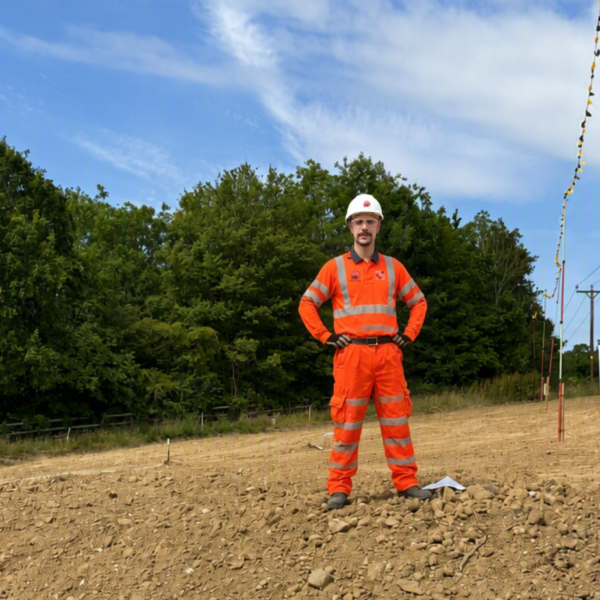
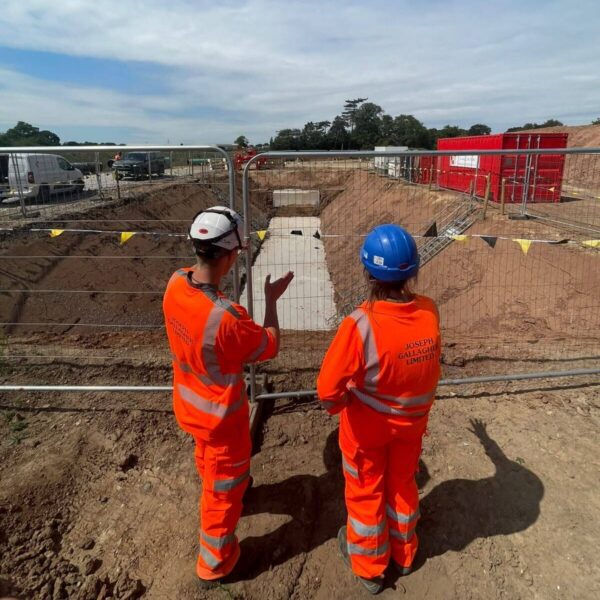
A site visit provides insights that simply cannot be gained through desk-based analysis alone. Visiting the Liverpool Bay Carbon Capture project gave our engineers the opportunity to assess design assumptions against real-world conditions, developing a deeper understanding of the geology, existing infrastructure and operational constraints that are difficult to fully appreciate from drawings and reports alone. Every excavation, exposed formation and construction activity creates an opportunity to verify investigations and enhance engineering understanding.
Ground conditions are rarely uniform, especially on major infrastructure projects where historical land use, buried assets and variable geology can present significant engineering challenges. Seeing these conditions first-hand allows our designers to refine temporary works, optimise excavation support systems and ensure construction methodologies remain appropriate as the project progresses.
This continuous exchange of knowledge between site and design teams helps deliver more resilient and efficient engineering solutions, while reinforcing Joseph Gallagher's commitment to delivering safe, practical and technically robust infrastructure.
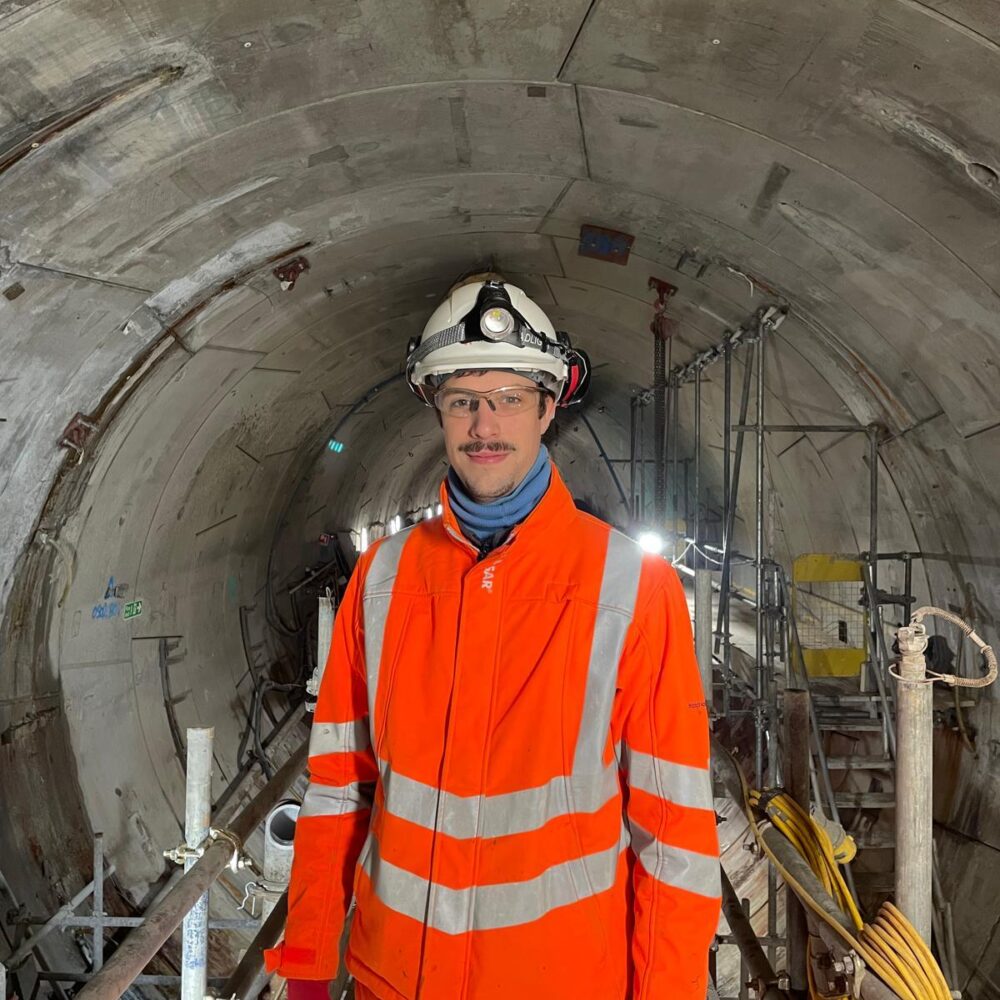
The site visit provided a valuable opportunity to see first-hand how the various stages of ground investigation and construction are carried out in practice. Walking the sites at TRS-40C and Alltami Brook helped me better understand how geological observations made on site support design and construction decisions.
Observing the drive pit excavation, shaft sinking and collar installation at TRS-29, along with the active microtunnelling works at TRS-37, gave me a greater appreciation of the planning, coordination and technical expertise required to successfully deliver projects.
The most interesting part of the day was learning how the control room operator at TRS-37 steers the microtunnelling boring head using hydraulic pistons to maintain alignment through changing ground conditions. Seeing this process in operation helped bridge the gap between the theoretical principles I have learned through geotechnical design and their practical application on site.