The Future of Tunnelling: When AI Meets Underground Engineering
What if we could know exactly what a tunnelling machine was about to encounter before it got there?
What if tunnel design wasn't simply completed before construction began, but continuously evolved in response to real-time ground conditions?
We believe Artificial Intelligence (AI) has the potential to fundamentally transform the future of tunnelling.
The construction industry is already embracing GPS positioning, satellite imagery, advanced ground investigation, 3D modelling and increasingly sophisticated tunnelling equipment. But the real opportunity lies in bringing these technologies together through AI.
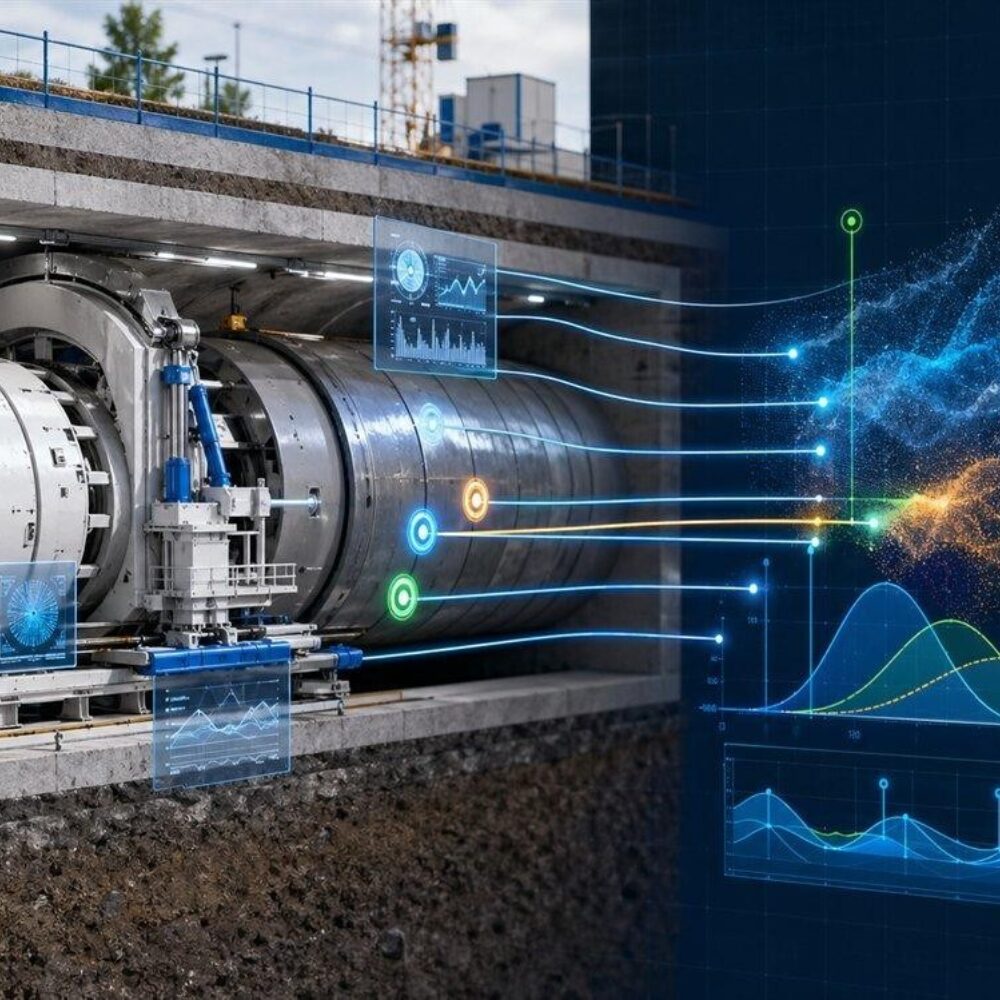
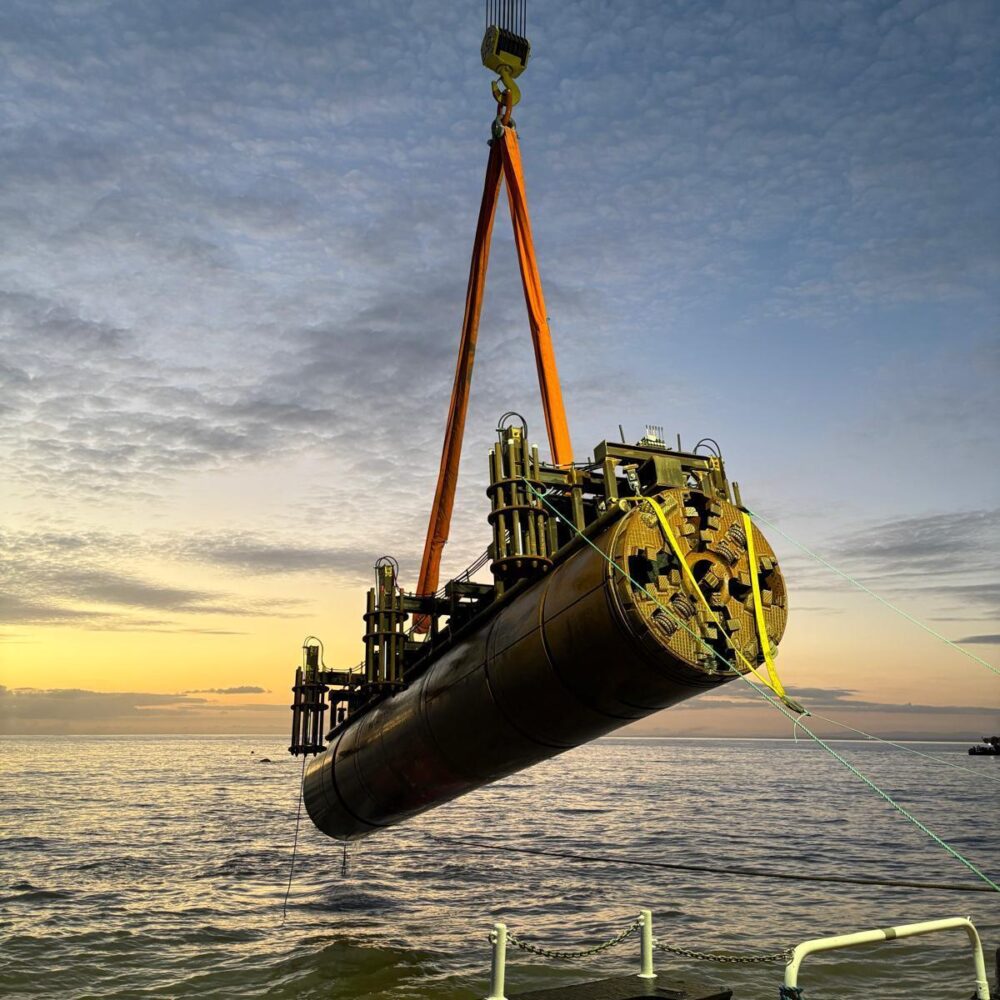
This photo is AI generated.
1. The ground is understood before excavation begins
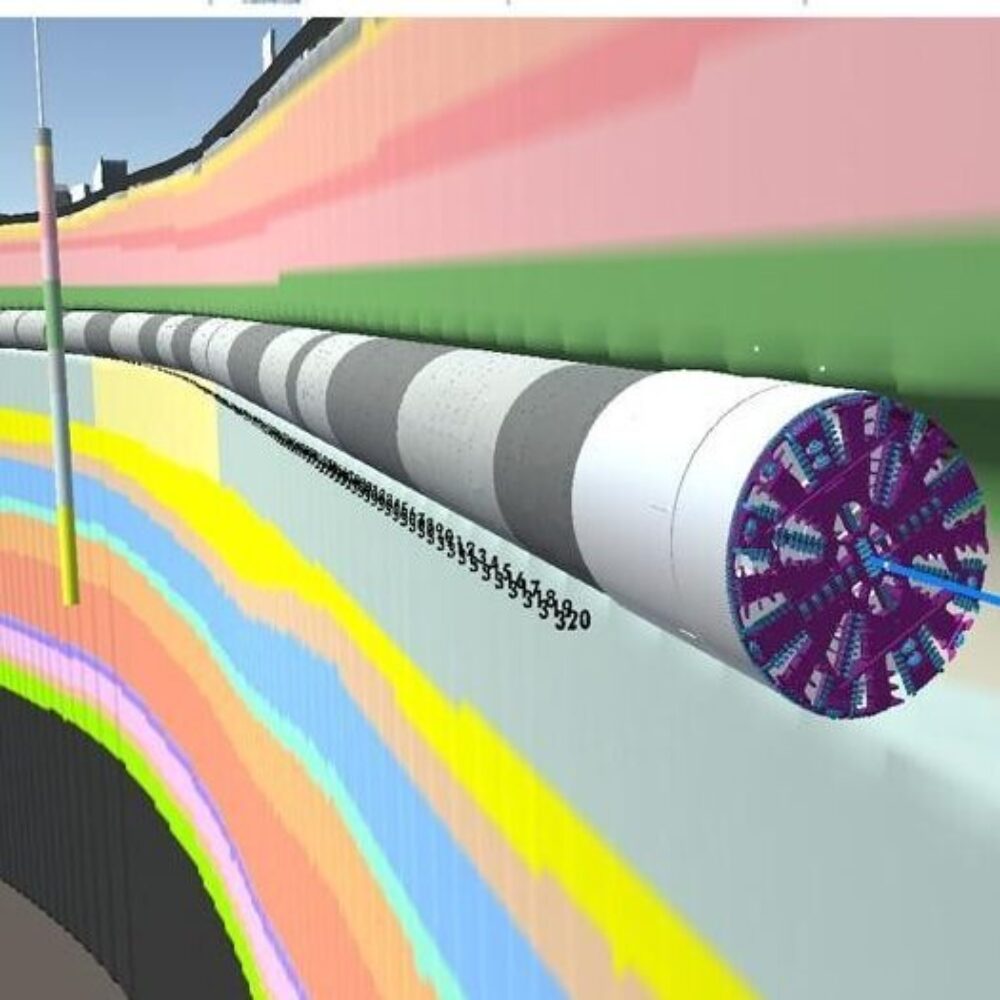
AI combines geological mapping, borehole records, geophysical surveys, satellite imagery and historical ground investigation data to develop increasingly detailed 3D representations of the ground.
Instead of relying solely on discrete investigation points and interpreted geological profiles, engineers could work with continuously updated ground models, identifying potential changes in geology, groundwater and unexpected obstructions.
2. Tunnelling machines become intelligent data-gathering systems
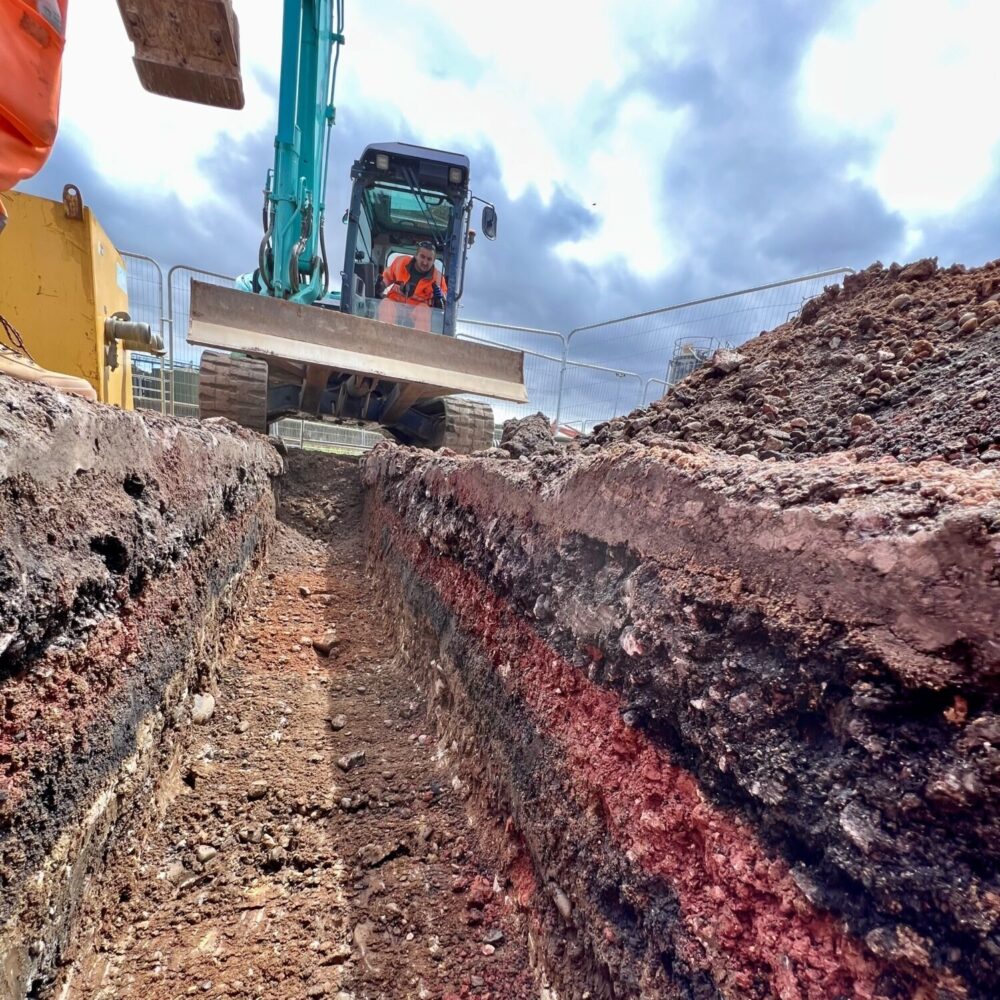
Modern tunnelling machines already collect enormous quantities of operational data.
Imagine AI analysing this information in real time, including machine position, advance rates, torque, thrust forces, cutterhead pressures, ground pressures and spoil characteristics.
By comparing actual machine performance against predicted ground conditions, AI could identify changes in geology and potentially detect unexpected ground conditions as excavation progresses.
3. Tunnel design becomes dynamic rather than static
Traditionally, tunnel alignments, construction methodologies and engineering calculations are developed and approved before construction.
In the future, AI could support engineers by rapidly assessing alternative alignments, excavation parameters and construction methodologies as new information becomes available.
If unexpected ground conditions are encountered, AI could model the implications, assess potential adjustments and provide engineers with alternative solutions.
Calculations that might traditionally take hours or days could potentially be completed in minutes, allowing engineering decisions to be made much closer to real time.
4. Design and construction become one continuous process
Perhaps the biggest opportunity is the integration of design, construction and monitoring into a single digital environment.
A live digital twin of the tunnel could combine machine telemetry, survey data, geological information, structural monitoring and design models.
This would allow the engineering team to compare what was designed, what was predicted and what is actually happening underground.
Rather than treating design as something that finishes before construction starts, the design process could become a continuous feedback loop.
From prediction to precision
The future of tunnelling may not be about building bigger machines or digging faster. It may be about making better decisions, using better information and responding intelligently to the ground conditions in front of us.
AI will not replace the need for experienced geotechnical engineers, designers or tunnelling specialists. The ground will always present uncertainty, and engineering judgement, verification and safety-critical decision-making will remain essential.
However, combining engineering expertise with intelligent data analysis could significantly improve how we investigate, design and deliver underground infrastructure.
At Joseph Gallagher Ltd, we see an exciting opportunity to explore how emerging technologies can shape the next generation of trenchless and underground construction.
The question is no longer just how we build tunnels. It's how intelligently we can build them.
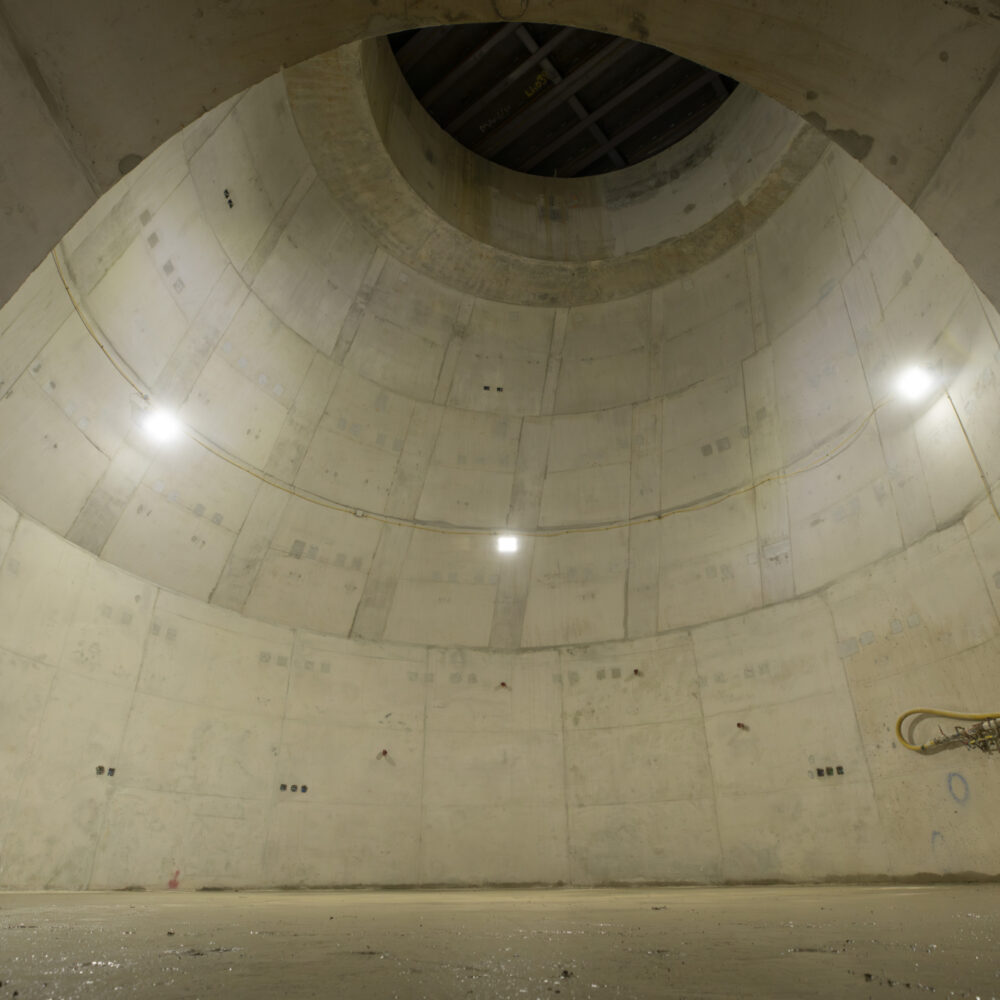
This photo is AI generated.