Shaft and Waterproofing and Lining
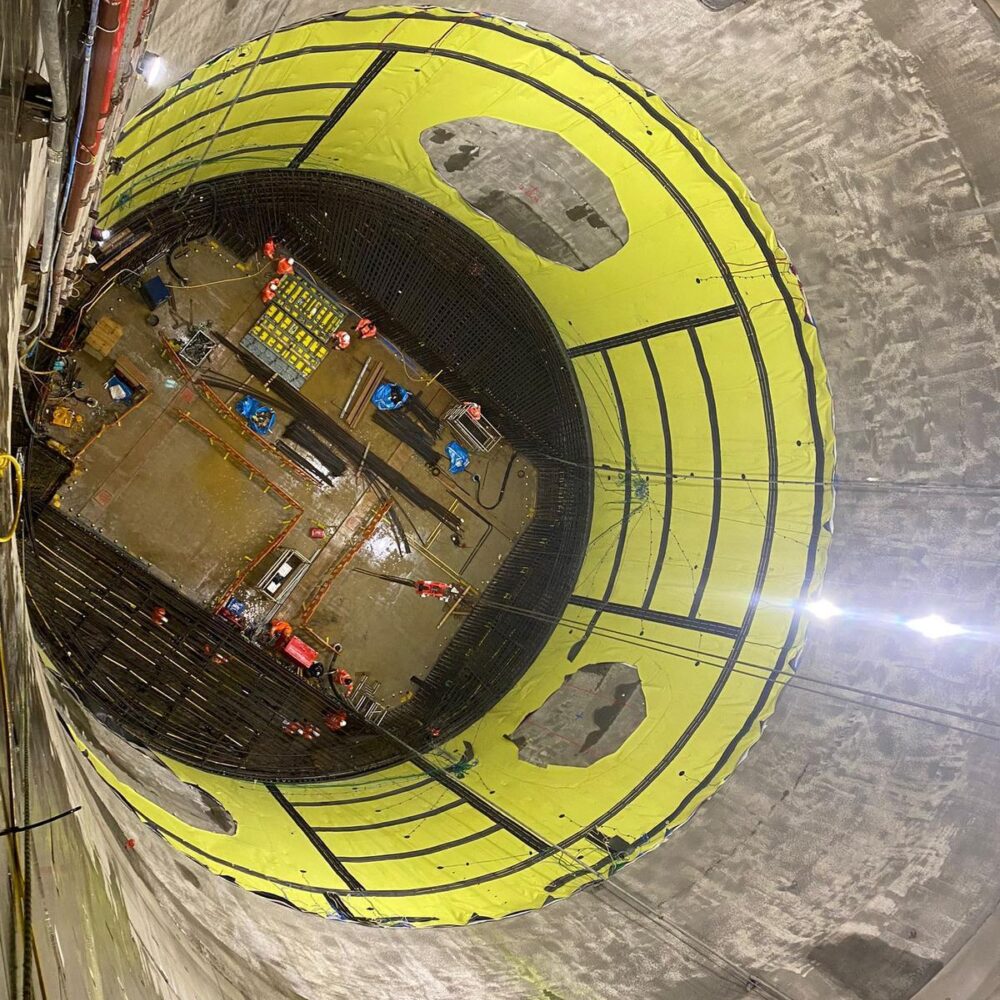
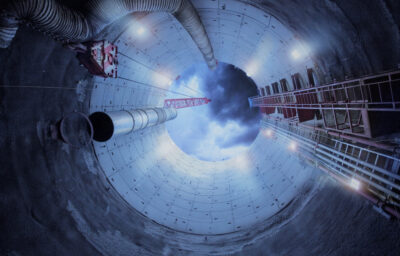
We deliver a fully integrated shaft waterproofing and lining capability, providing robust, durable and long-life solutions for shafts constructed in a wide range of ground and groundwater conditions. Our approach is engineering-led and construction-informed, ensuring that waterproofing and lining systems are selected, detailed and installed to suit shaft geometry, depth, construction methodology and long-term performance requirements.
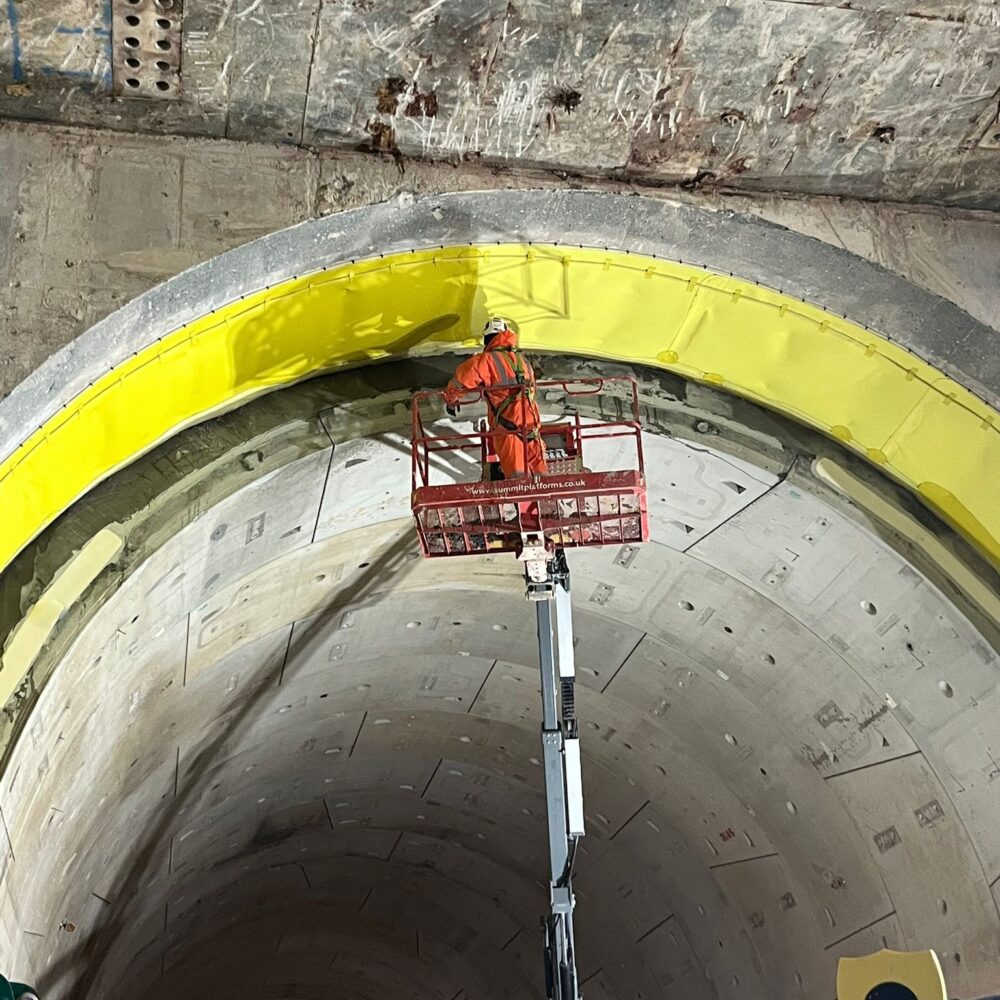
Effective waterproofing is fundamental to shaft performance, operational safety and whole-life asset value. We provide both sheet membrane and spray-applied waterproofing systems, deployed either independently or in combination depending on risk profile and design intent. Sheet membrane waterproofing is used where a proven, multi-layer barrier is required to manage groundwater pressure and ensure long-term durability. Installation is carefully coordinated with primary support systems with particular attention paid to laps, welds, penetrations, interfaces with drainage systems and transitions at base slabs and headings. Detailed quality assurance and inspection regimes are embedded throughout installation to ensure integrity prior to secondary lining. Spray-applied waterproofing systems offer a highly effective alternative in shafts with complex geometry, tight tolerances or restricted access. These systems form a fully bonded, seamless barrier that reduces the risk of water tracking and simplifies detailing around openings, fixings and irregular profiles. Spray-applied systems also offer programme efficiencies by integrating more easily with sprayed or cast secondary linings.
Secondary Lining Solutions
We deliver a range of secondary lining options, selected to align with structural requirements, programme constraints and durability targets. Spray-applied secondary linings provide a flexible and efficient solution where speed, adaptability and quality control are critical. These linings can deliver structural capacity, durability and finish in a single operation, with thickness controlled and verified using digital scanning and monitoring techniques. This approach is particularly effective in shafts with variable geometry or where access constraints limit conventional formwork. Where cast in-situ linings are required, we utilise proprietary jump form shutter systems, enabling controlled, repetitive pours with consistent geometry and high-quality finishes. Jump forms are well suited to deep shafts constructed in stages, allowing lining installation to progress safely and efficiently while maintaining alignment and tolerance control.
For large-diameter or deep shafts where continuous construction is advantageous, we also deliver slip-formed concrete linings. Slip forming enables near-continuous placement of concrete, reducing the number of construction joints, improving durability and accelerating programme delivery. This technique is particularly effective where shaft geometry is regular and long, uninterrupted pours are feasible.
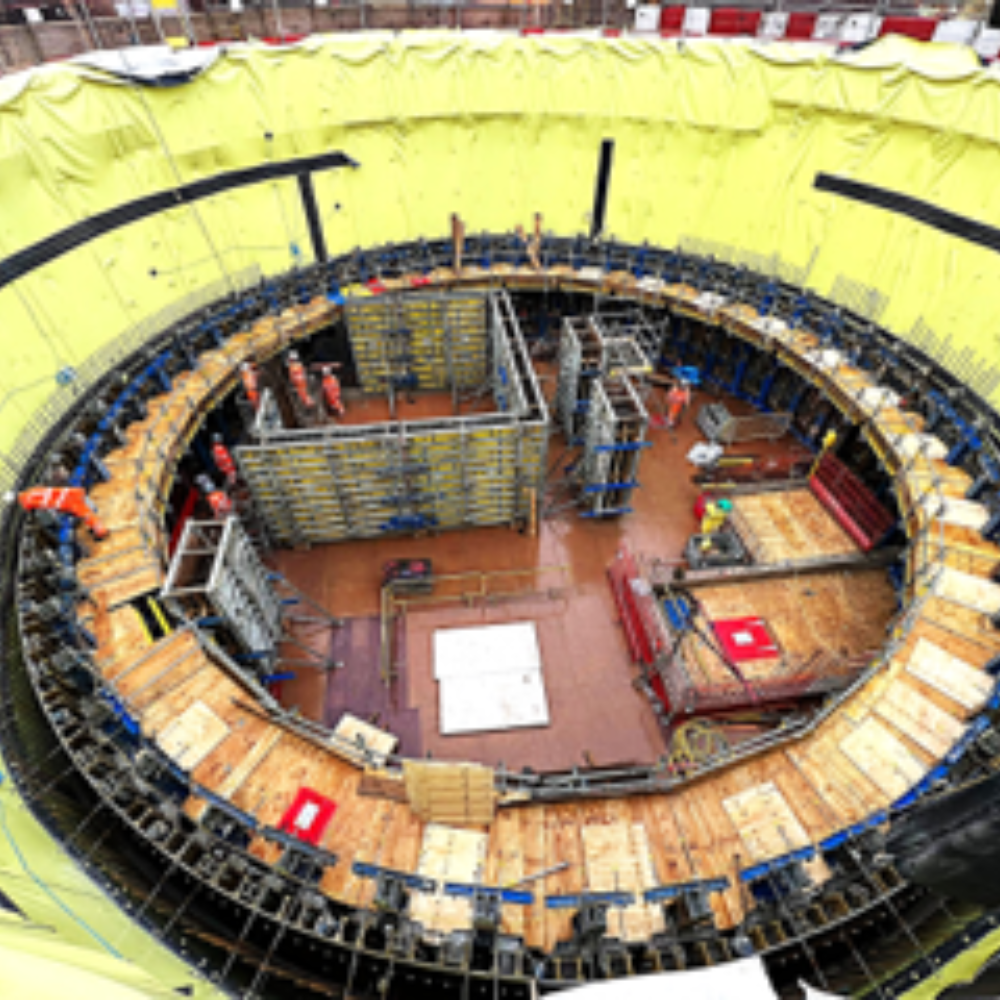
Across all waterproofing and lining systems, our teams manage reinforcement fixing, interface detailing, curing, inspection and verification, ensuring seamless integration between excavation support, waterproofing and permanent lining elements. Construction sequencing is carefully planned to manage groundwater risk, maintain access and ensure safe working at depth. By combining multiple waterproofing technologies, flexible lining methodologies and specialist in-house expertise, we deliver shaft solutions that are watertight, structurally robust and designed for long-term performance. This integrated capability provides clients with confidence that shafts will perform reliably throughout their operational life, even in the most demanding underground and groundwater conditions.
Quality assurance
As part of our quality assurance, we provide comprehensive waterproofing for shafts and tunnels using membranes, linings, and sealant systems tailored to ground conditions and client requirements. This ensures long-term durability and protection against water ingress.