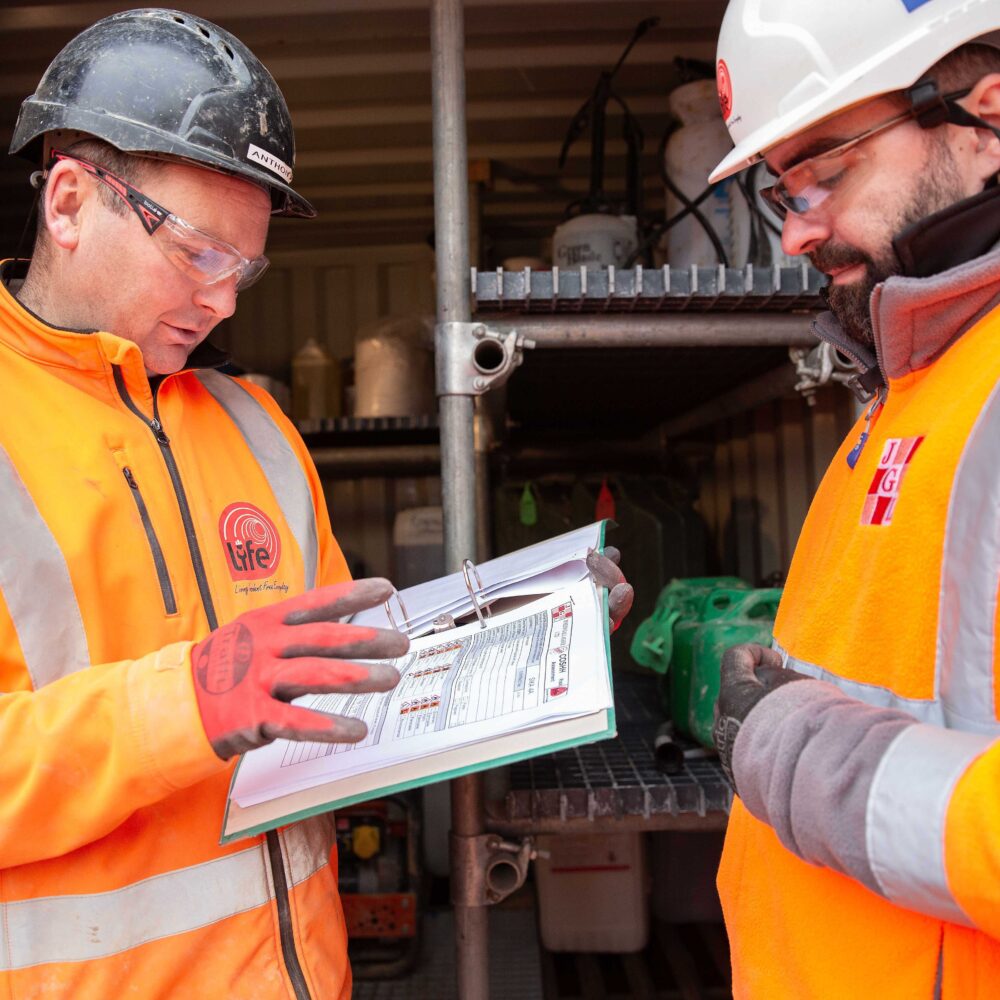
Design and Engineering
We deliver integrated design and engineering solutions that combine technical excellence with real-world construction experience. By engaging early in the project lifecycle, we help shape viable, buildable schemes - reducing risk, improving efficiency and supporting confident decision-making from the outset. Our approach embeds Early Contractor Involvement (ECI), ensuring designs are grounded in practical delivery considerations. Through feasibility studies, multidisciplinary collaboration and value engineering, we assess technical constraints, programme requirements and cost drivers to develop solutions that are both achievable and optimised. We provide advanced digital design capabilities, placing BIM and CAD at the centre of project delivery to enable accurate coordination, improved traceability and effective communication across teams. This is supported by leading software tools and robust data analysis to inform design decisions and performance outcomes.
Our expertise spans geotechnical design, temporary works and complex infrastructure environments. We develop safe, efficient and resilient solutions for foundations, shafts, tunnels and underground structures, integrating ground behaviour analysis with construction methodology to ensure practical, buildable outcomes. Temporary works are treated with the same rigour as permanent design, with tailored solutions that manage risk, support safe construction and align with programme constraints. We also deliver comprehensive technical assurance and compliance services, ensuring all designs meet regulatory requirements and perform reliably in operation. Quality, safety and collaboration underpin everything we do. Through a structured, standards-driven approach and continuous engagement with clients and stakeholders, we deliver design solutions that are efficient, compliant and ready for successful construction and long-term performance.


Feasibility and Early Contractor Involvement
We support our clients from the earliest stages of project development, providing design, engineering and feasibility input to help shape complex construction and infrastructure schemes. By bringing practical engineering insight and hands-on construction experience into decision-making early on, we help reduce risk and improve overall project outcomes.
Through our feasibility studies and Early Contractor Involvement (ECI), we assess key factors such as site constraints, constructability, programme, cost and risk. Our approach ensures that proposed solutions are not only technically sound, but also practical, efficient and buildable.
By embedding ECI into our process, we’re able to offer clear buildability guidance, value engineering and informed advice at a stage where it has the greatest impact - helping clients move forward with confidence and a clear path to delivery.
BIM and CAD
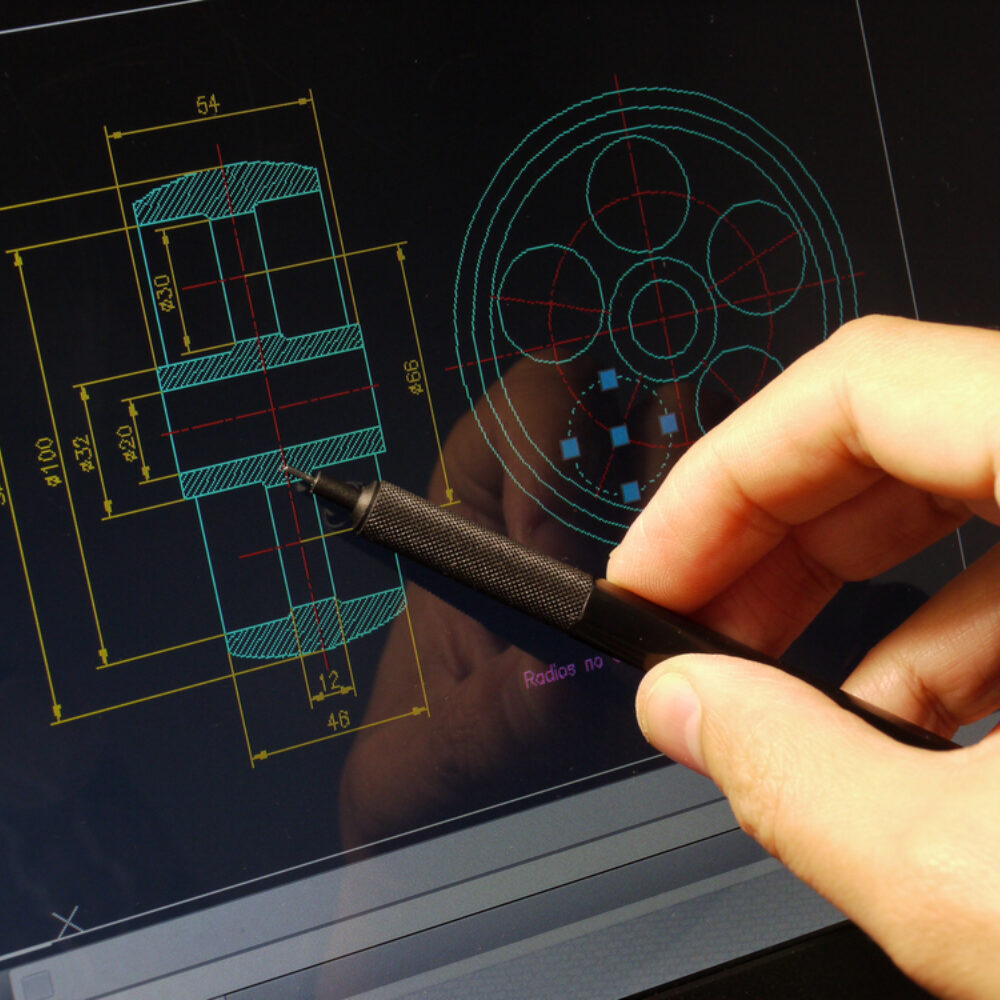
We deliver a digitally driven design and engineering capability, with CAD and BIM at the core of how we plan, coordinate and deliver complex projects. Our approach embraces modern digital tools while staying aligned with our commitment to respond effectively to the challenges faced by communities and the environment.
Working in line with ISO standards and BIM best practices, we ensure a structured, collaborative approach to design and information management. This allows us to maintain accuracy, improve coordination and support efficient delivery across multidisciplinary teams.
Geotechnical Design
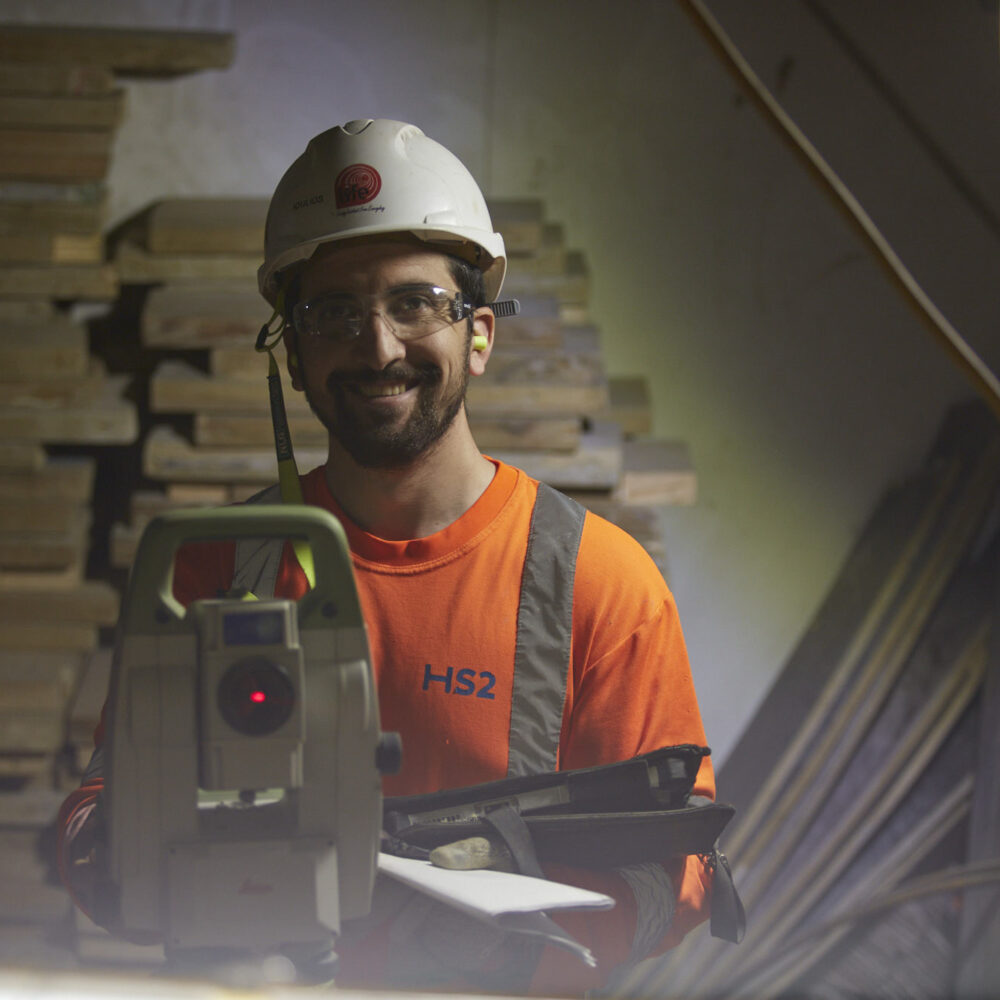
We provide geotechnical engineering expertise to support the planning, design and delivery of complex underground and infrastructure projects. Our approach ensures that ground-related risks are identified early, carefully managed and designed out wherever possible.
Starting with feasibility and desktop studies, we assess existing data to understand ground conditions, risks and constraints. We then define targeted ground investigations and use site-specific data to develop geotechnical models that support informed, confident decision-making.
Working closely with design and construction teams, we deliver practical solutions for foundations, shafts, tunnels and retaining structures. By combining strong geotechnical understanding with real construction experience, we ensure designs are not only technically robust, but also efficient, buildable and aligned with successful project delivery.
Temporary Works
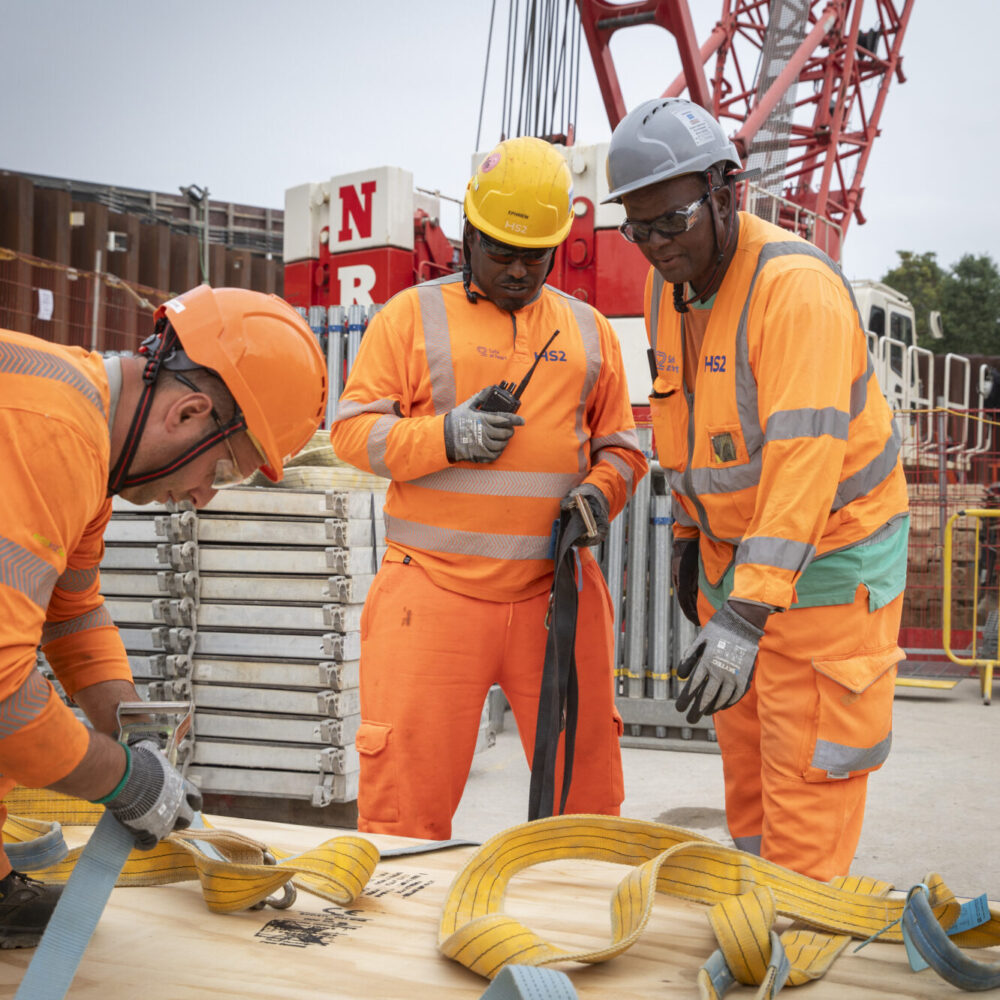
We recognise that temporary works are critical to the safe and successful delivery of complex construction and infrastructure projects. Our approach is to apply the same level of rigour, engineering judgement and assurance to temporary works as we do to permanent solutions, helping to manage risk during the most critical stages of construction.
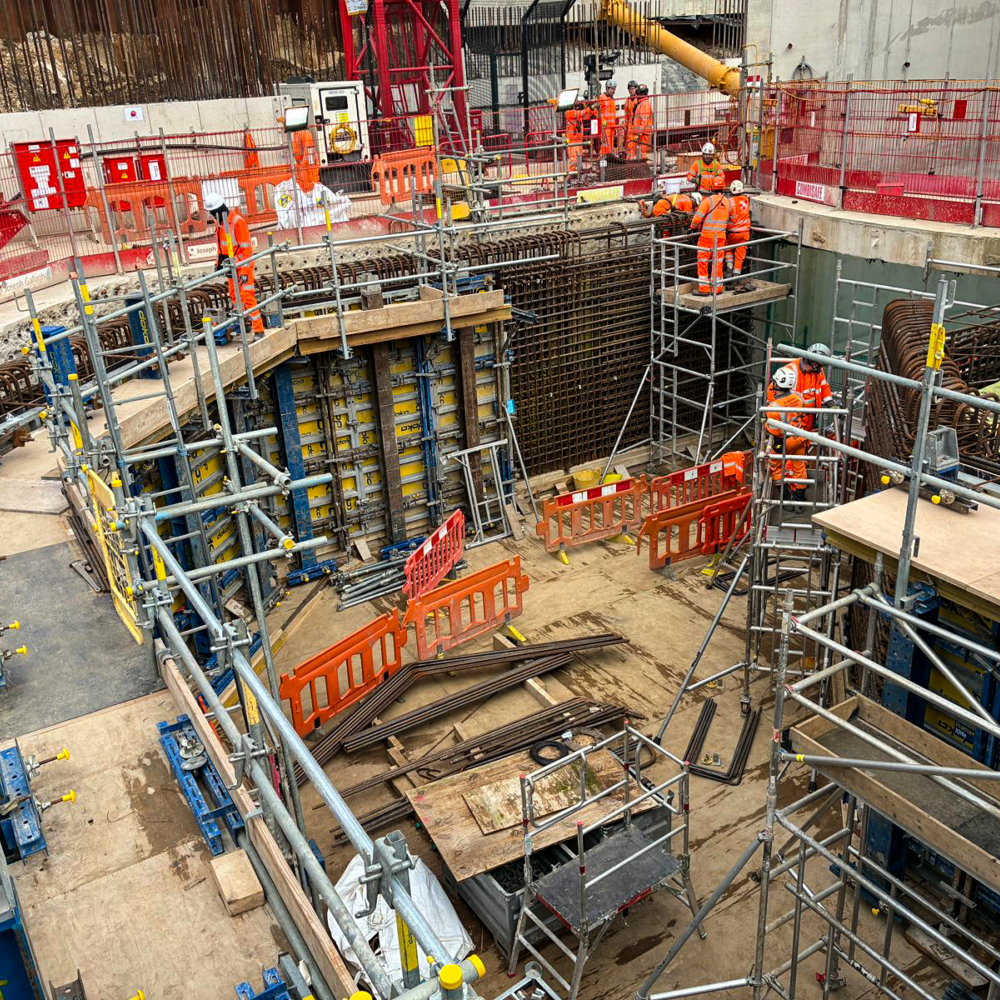
Supported by strong construction experience, we deliver tailored temporary works designs that are fully integrated with programme, sequencing and site constraints. Our capability covers excavation support, formwork and falsework, access systems and structural arrangements, ensuring safe, practical and efficient delivery across a wide range of environments.
We also provide monitoring and management strategies aligned with industry standards, alongside traffic and pedestrian management solutions where required. By combining technical expertise with a collaborative, delivery-focused approach, we ensure our temporary works are safe, buildable and fully aligned with the wider project objectives.
Technical Assurance
We place quality at the heart of everything we do, embedding robust assurance and systems engineering principles throughout every stage of project delivery. Our approach ensures complex infrastructure is designed, delivered and verified in line with client requirements, regulatory frameworks and operational needs.
Working across sectors such as rail, highways, aviation, power and utilities, we provide structured assurance through clear requirements management, interface control and risk-based verification. From design through to construction and handover, we ensure assets perform safely, reliably and as intended.
We support this with rigorous inspection, audit and validation processes, alongside extensive experience working within the technical approval environments of major asset owners such as Transport for London, National Highways and Network Rail. By combining strong quality management systems with practical delivery experience, we provide confidence that projects are compliant, assured and fit for purpose.